
Why 80% of Incorporation Mistakes Happen Post-Registration
The majority of incorporation-related errors occur after legal formation. Founders often focus on product, branding, or market entry while neglecting the operational scaffolding that supports sustainable growth. Common pitfalls include:
- Starting operations without proper regulatory approvals
- Incorrect GST registration or misalignment with the chosen business model
- Payroll structures that fail to comply with local employment laws in USA, UK, UAE, Singapore, and Australia
- Delayed or inaccurate bookkeeping
- Weak internal controls over financial transactions
These oversights create vulnerabilities in cash flow, tax compliance, and investor reporting. Early errors can escalate, forcing costly corrective action.
The Unseen Setup Work
Beyond registering the company, startups must establish a robust financial and operational backbone. Key areas include:
- Company Incorporation Compliance: Ensuring that the startup meets all regulatory requirements in the target jurisdiction—whether in India or internationally—helps prevent operational disruptions.
- GST and Tax Structuring: Correct registration and invoicing prevent future penalties and streamline tax input credits.
- Payroll Baselining: Implementing compliant payroll processes from day one ensures employee satisfaction and statutory compliance.
- Accounting Systems and Dashboards: Proper accounting software setup enables real-time visibility into cash flows, profitability, and compliance obligations.
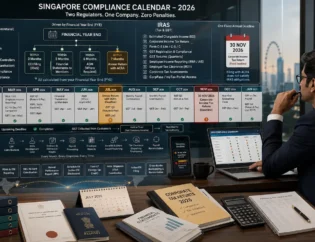
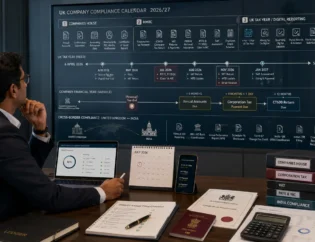
- Compliance Calendar: Establishing deadlines for tax filings, board resolutions, and statutory reporting prevents bottlenecks and regulatory risk.
This groundwork may seem invisible but is critical for financial clarity, operational readiness, and investor confidence.
Early Financial Discipline and Investor Confidence
Investors evaluate more than revenue projections—they look for financial discipline and governance structures. A startup that demonstrates organized bookkeeping, timely compliance, and transparent reporting signals operational maturity and reduces perceived risk. Early financial diligence translates into:
- Faster due diligence during funding rounds
- Higher credibility with banking and financial partners
- Stronger internal decision-making based on accurate financial data
Startups that implement these practices lay the groundwork for scalable growth and long-term success.
AccounTX’s First 90 Days Playbook
To guide startups during this critical window, AccounTX has developed the First 90 Days Playbook. This framework provides a step-by-step approach to stabilize finances, structure operations, and embed best practices from the outset. Key elements include:
- Mapping regulatory and tax obligations across jurisdictions, includingthe USA, UK, UAE, Singapore, and Australia
- Integrating payroll and accounting systems with compliance checks
- Establishing real-time financial dashboards for cash flow and operational tracking
- Conducting early risk assessments and mitigation planning
Startups that follow this playbook not only reduce operational friction but also position themselves to scale confidently, attract investors, and maintain financial resilience. AccounTX, a best accounting and tax experts firm backed by a team of highly skilled Chartered Accountants, ensures that these frameworks are customized for each startup’s unique requirements.